
How to Reduce Political Anxiety
Political stress, specifically election stress, has become a growing mental health concern for many people. Constant exposure to political news, social media debates, election coverage, and polarization can leave individuals feeling emotionally exhausted, overwhelmed, and anxious.
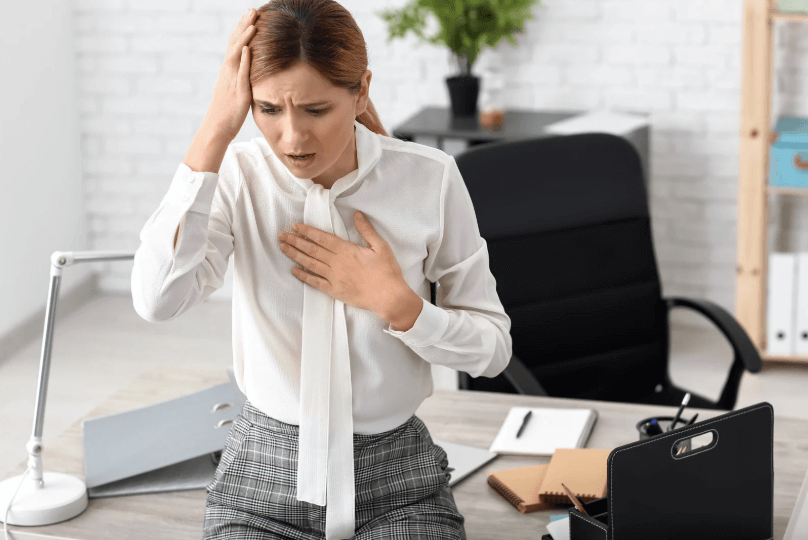
For some, political anxiety creates persistent worry that interferes with sleep, concentration, relationships, physical health, access to health care, and overall well-being. Election seasons, breaking news alerts, and endless online commentary can intensify feelings of helplessness and burnout.
While staying informed matters, consuming political content nonstop can negatively impact mental health. Finding healthy ways to engage with current events while protecting emotional well-being is essential.
What Is Political Anxiety?
Political anxiety, often manifesting as election or post-election anxiety, refers to stress, fear, worry, or emotional distress connected to politics, elections, political conflict, or societal uncertainty.
People may experience anxiety related to:
- Election outcomes
- Political polarization
- News consumption
- Social media arguments
- Concerns about the future
- Fear about policies or leadership changes
- Family conflict around political beliefs
- Constant exposure to negative headlines
Political anxiety can affect individuals across the political spectrum, regardless of whether they support candidates like Donald Trump or his opponents. Regardless of personal beliefs, nonstop political stimulation can overwhelm the nervous system and contribute to emotional exhaustion.
Signs Political Stress May Be Affecting Your Mental Health
Political stress can show up emotionally, mentally, and physically.
Common symptoms include:
- Racing thoughts
- Difficulty sleeping
- Irritability
- Feeling emotionally drained
- Trouble concentrating
- Increased anxiety
- Doomscrolling
- Physical tension
- Headaches
- Burnout
- Withdrawal from loved ones
- Feeling hopeless or powerless
Some people may also notice worsening anxiety symptoms after spending hours consuming political news through television, podcasts, social media, or online discussions.
Why Political News Feels So Overwhelming
Modern news cycles are designed for constant engagement. Breaking updates, sensational headlines, social media algorithms, and emotional commentary can keep people in a heightened state of stress.
Political content often triggers fear, anger, uncertainty, or urgency, which can activate the body’s stress response repeatedly throughout the day.
The rise of 24-hour news coverage, presidential election speculation, and social media debates means many individuals rarely get a mental break from political stimulation.
Even people who want to stay informed may find themselves trapped in cycles of compulsive news checking or doomscrolling.
The Impact of Social Media on Political Anxiety
Social media platforms can intensify political anxiety because they encourage constant exposure to emotionally charged content.
Algorithms often prioritize posts that create strong emotional reactions, including outrage, fear, and conflict. As a result, users may see a steady stream of divisive political commentary that increases stress levels.
Spending excessive time on social media may lead to:
- Increased anxiety
- Emotional exhaustion
- Comparison and anger
- Difficulty disconnecting
- Sleep disruption
- Reduced attention span
- Increased conflict with family members or friends
Limiting exposure to political content online can help protect mental well-being during stressful news cycles.
Practical Ways to Reduce Political Anxiety
Managing political anxiety does not mean ignoring important issues. It means learning how to stay informed without sacrificing emotional health.
Set Boundaries With News Consumption
One of the most effective coping strategies is limiting how often you consume political news.
Consider:
- Checking the news once or twice daily instead of constantly
- Turning off breaking news notifications
- Avoiding political content before bed
- Choosing reliable news sources instead of endless scrolling
- Taking breaks from cable news networks like CNN or political podcasts
Creating intentional limits helps reduce overstimulation and anxiety.
Avoid Doomscrolling
Doomscrolling refers to compulsively consuming upsetting news for extended periods.
While many people believe that staying constantly informed creates a sense of control, excessive news exposure often increases feelings of helplessness and stress.
To reduce doomscrolling:
- Set screen time limits
- Take social media breaks
- Keep phones out of the bedroom
- Replace scrolling with healthier activities
- Notice emotional triggers that lead to compulsive news checking
Breaking the cycle of nonstop news consumption can improve both mental and physical health.
Focus on What You Can Control
Political uncertainty often creates feelings of powerlessness; shifting to a values-based way of living (within our control) vs. an outcome-based way of living (not within our control).
Focusing on small, meaningful actions can help restore a sense of agency and emotional stability.
Examples include:
- Voting
- Volunteering
- Supporting causes you care about
- Having respectful conversations
- Engaging in community activities
- Practicing self-care
- Supporting your local community
Taking constructive action can reduce anxiety while helping individuals feel more grounded.
Prioritize Physical Health
Mental health and physical health are closely connected.
Stress from political anxiety can contribute to fatigue, muscle tension, headaches, sleep disruption, and burnout. Supporting the body’s stress response through healthy routines can improve emotional resilience.
Helpful strategies include:
- Regular exercise
- Adequate sleep
- Balanced nutrition
- Spending time outdoors
- Deep breathing exercises
- Limiting alcohol and excessive caffeine
Physical activity, in particular, can help reduce stress hormones and improve mood.
Protect Your Relationships
Political polarization can strain relationships with family members, coworkers, and friends.
Not every disagreement needs to become a debate. Setting healthy boundaries around political conversations may help preserve emotional well-being and reduce unnecessary conflict.
You may choose to:
- Avoid certain topics during gatherings
- Limit exposure to hostile conversations
- Respectfully disengage from arguments
- Focus on shared values instead of differences
- Communicate boundaries clearly
Protecting relationships does not require abandoning personal beliefs. It simply means recognizing when discussions become emotionally harmful.
Create Mental Breaks From Politics
Many people feel guilty stepping away from political news, especially during election seasons, the approach of Election Day, or periods of national uncertainty within the current political climate.
However, constant exposure to stress is not sustainable.
Creating intentional mental breaks can improve overall well-being.
Healthy activities may include:
- Reading
- Exercising
- Listening to music
- Spending time with loved ones
- Hobbies
- Meditation
- Therapy
- Time outdoors
- Creative activities
Rest is not avoidance. Emotional recovery is necessary for long-term resilience.
When Political Anxiety Becomes Unmanageable
For some individuals, political stress can significantly interfere with daily functioning, relationships, sleep, or mental health.
Signs of additional need for support may include:
- Persistent anxiety
- Panic attacks
- Depression symptoms
- Severe burnout
- Obsessive news checking
- Increased isolation
- Difficulty functioning at work or school
- Feeling hopeless most days
Working with mental health experts can provide support, coping strategies, and tools for managing chronic stress and anxiety.
Cognitive Behavioral Therapy can help individuals identify unhelpful thinking patterns, reduce anxiety symptoms, and develop healthier responses to stressful situations.
Therapy Can Help You Regain Balance
Political anxiety is real, and it can take a serious toll on emotional and physical health. Therapy provides a supportive environment to process stress, improve coping strategies, and create healthier boundaries with media consumption and anxiety triggers.
At CBT Baltimore, therapists provide specialized anxiety therapy to help individuals navigate stress, burnout, and emotional overwhelm using evidence-based approaches tailored to each person’s needs.
You do not have to remain trapped in cycles of fear, doomscrolling, or emotional exhaustion. Support is available.
Politcal Anxiety FAQs:
Is political anxiety a real mental health issue?
Yes, but it is NOT a diagnosis. Political anxiety is a growing concern that can contribute to chronic stress, sleep disruption, burnout, and emotional distress, especially during election seasons or periods of political conflict.
How can I stop doomscrolling political news?
Setting screen time limits, turning off notifications, taking social media breaks, and creating structured news routines can help reduce compulsive news checking.
Can social media increase anxiety?
Yes. Social media algorithms often amplify emotionally charged political content, which can increase stress, anger, fear, and emotional exhaustion.
How do I stay informed without becoming overwhelmed?
Choose reliable news sources, limit consumption to certain times of day, avoid constant updates, and take regular breaks from political content.
What are the signs that political stress is affecting my well-being?
Common signs include anxiety, irritability, sleep problems, burnout, emotional exhaustion, headaches, racing thoughts, and difficulty concentrating. Ask yourself, “How do I feel when I get off scrolling or listening to political news?”
Can therapy help with political anxiety?
Yes. Therapy can help individuals manage stress, challenge anxious thought patterns, improve coping strategies, and establish healthier emotional boundaries.
Why does political news feel addictive?
Breaking news alerts, social media algorithms, and emotionally charged headlines can activate the brain’s stress response and encourage compulsive engagement.
Should I avoid political conversations entirely?
Not necessarily. Healthy discussions can be productive, but it is important to recognize when conversations become emotionally harmful or damaging to relationships. Ask yourself, “Am I engaging in this content because I value it or because I feel like I should?”
How does political anxiety affect physical health?
Chronic stress may contribute to fatigue, headaches, muscle tension, digestive issues, sleep disruption, and increased stress hormone levels.
When should I seek professional help?
If anxiety, burnout, or emotional distress begin interfering with your daily life, relationships, sleep, or ability to function, speaking with a mental health professional may help.