
Skin picking can feel frustrating, embarrassing, and impossible to stop, even when you desperately want to. Many people spend years believing they simply lack willpower, when in reality they are living with a recognized mental health condition that responds well to evidence-based treatment.
At CBT Baltimore, we treat Skin Picking and Hair Pulling (BFRBs) as part of the conditions we specialize in.
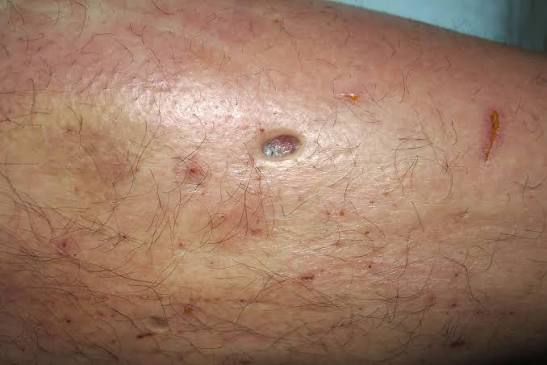
Excoriation disorder, also called skin picking disorder (SPD) or dermatillomania, is one of several body-focused repetitive behaviors (BFRBs). Like trichotillomania (hair-pulling disorder), compulsive skin picking involves repetitive behaviors that may temporarily relieve tension but ultimately create emotional distress, skin damage, and feelings of shame.
The good news is that effective skin picking treatment exists. With the right combination of cognitive behavioral therapy (CBT), behavioral strategies, and, in some cases, medication, many people experience significant improvement and regain control over their lives.
What Is Excoriation Disorder?
Excoriation disorder is a mental health condition characterized by repetitive, compulsive skin picking that causes tissue damage and significant distress or impairment. People may pick at healthy skin, pimples, scabs, eczema, sores, or other perceived imperfections.
Although occasional picking is common, excoriation disorder differs in that the behavior becomes difficult to control despite repeated attempts to stop.
Many individuals experience:
- Compulsive skin picking for extended periods
- Skin damage, bleeding, or scarring
- Emotional distress after picking
- Avoidance of social situations because of visible sores
- Feelings of guilt, shame, or frustration
- Multiple unsuccessful attempts to quit
Skin picking often occurs automatically while watching television, reading, or working. Others experience focused picking driven by tension, anxiety, boredom, or uncomfortable emotions.
Is Skin Picking Related to OCD?
Many people wonder whether skin picking is a form of obsessive-compulsive disorder (OCD).
While excoriation disorder shares similarities with OCD, it is considered a distinct diagnosis within the obsessive-compulsive and related disorders category. Both conditions can involve repetitive behaviors and intrusive thoughts, but the motivations behind these behaviors often differ.
Some individuals with skin-picking disorder experience urges, uncomfortable sensations, or emotional tension rather than classic obsessions. Others may also have OCD, body dysmorphic disorder, anxiety disorders, or other psychiatric disorders.
Because these conditions can overlap, a thorough evaluation by a mental health professional is an important first step toward selecting the most appropriate treatment.
What Causes Skin Picking Disorder?
There is no single cause of excoriation disorder. Research suggests that several factors may contribute, including:
- Genetics
- Anxiety or stress
- Difficulty regulating emotions
- Habit formation
- Perfectionism
- Co-occurring mental health conditions
- Sensory experiences involving the skin
Triggers vary from person to person. Some people pick after noticing small bumps or uneven skin. Others pick during periods of boredom, while studying, or when experiencing anxiety.
Understanding your individual triggers is a major part of successful treatment.
Cognitive Behavioral Therapy Is the Gold Standard for Skin Picking Treatment
The most effective psychological treatment for excoriation disorder is cognitive behavioral therapy (CBT). CBT helps individuals understand the relationship between thoughts, emotions, behaviors, and environmental triggers.
Rather than relying on willpower alone, CBT teaches practical skills for interrupting the cycle of picking and replacing it with healthier responses.
At CBT Baltimore, CBT serves as the foundation of our treatment approach.
Habit Reversal Training (HRT)
One of the most effective components of CBT for skin picking is habit reversal training (HRT).
Habit reversal training helps people become more aware of when picking occurs and teaches alternative behaviors that compete with the urge to pick.
Treatment typically includes:
Awareness Training
Many people pick automatically without realizing it. Awareness training helps identify:
-
- Situations that trigger picking
- Emotional triggers
- Physical sensations
- Times of day when picking is most common
Competing Responses
Once urges are recognized, individuals learn alternative behaviors that make picking more difficult.
Examples may include:
-
- Clenching fists
- Holding a stress ball
- Sitting on hands briefly
- Engaging in another movement until the urge passes
Building New Habits
Over time, repeated practice helps weaken the connection between triggers and skin picking while strengthening healthier coping strategies.
Stimulus Control Strategies
Another evidence-based behavioral intervention is stimulus control.
Stimulus control changes the environment to reduce opportunities for skin picking.
Examples include:
- Covering mirrors during vulnerable times
- Wearing gloves when appropriate
- Keeping tweezers out of immediate reach
- Applying bandages to frequently picked areas
- Improving lighting to avoid prolonged mirror inspection
- Using fidget tools to keep hands occupied
These strategies are individualized based on each person’s unique triggers.
Acceptance and Commitment Therapy (ACT)
Many treatment plans also incorporate Acceptance and Commitment Therapy (ACT).
ACT teaches people to respond differently to uncomfortable thoughts, urges, and emotions rather than trying to eliminate them entirely.
Rather than fighting every urge, individuals learn to:
- Notice urges without immediately acting on them
- Practice mindfulness
- Build psychological flexibility
- Stay connected to personal values
- Reduce avoidance and shame
For many people, combining CBT, HRT, and ACT creates a comprehensive treatment approach.
Are Medications Used for Skin Picking?
Medication is not the right choice for everyone, but some individuals benefit from combining psychotherapy with medication management.
Several medications, including various antidepressants, have been studied for excoriation disorder, including:
- Selective serotonin reuptake inhibitors (SSRIs)
- Fluoxetine
- Escitalopram
- N-acetylcysteine (NAC)
- Lamotrigine
- Olanzapine
- Aripiprazole
- Lithium
Evidence supporting these treatments varies, and no single medication works for everyone. Some medications have shown promising results in research, while others have produced mixed findings. Medication decisions should always be made in consultation with a qualified prescribing clinician who can evaluate your symptoms, medical history, and potential risks and benefits. Individuals should not begin or stop medications, including supplements such as NAC, without professional guidance.
Why Early Treatment Matters
Without treatment, skin picking disorder can lead to:
- Chronic skin damage
- Tissue damage
- Infection
- Permanent scarring
- Increased emotional distress
- Reduced self-esteem
- Social isolation
Many people also spend significant time trying to hide sores or avoid situations where others may notice their skin.
Early intervention often leads to better long-term outcomes.
What to Expect During Therapy
Treatment begins with a comprehensive assessment.
Your therapist works with you to understand:
- When picking occurs
- What emotions are involved
- Environmental triggers
- Previous treatment experiences
- Other mental health conditions
- Goals for recovery
Treatment is collaborative, practical, and tailored to your individual needs.
Rather than focusing on blame or willpower, therapy helps you build effective skills that can reduce picking and improve quality of life.
Skin Picking Treatment at CBT Baltimore
At CBT Baltimore, our clinicians provide evidence-based psychotherapy grounded in Cognitive Behavioral Therapy for a variety of mental health conditions, including OCD spectrum disorders and body-focused repetitive behaviors. Our goal is to help clients develop practical skills that support lasting change in a compassionate, collaborative environment.
If compulsive skin picking is interfering with your daily life, professional treatment can help you understand the behavior, reduce urges, and develop healthier coping strategies.
To learn more about our therapy services, visit the Therapy Services page. To explore additional conditions we treat, including OCD spectrum disorders and BFRBs, visit the Conditions We Treat page.
If you’re ready to take the next step, you can also request a session through our Get Started page.
Skin Picking FAQs:
Is skin picking disorder the same as dermatillomania?
Yes. Dermatillomania is another name for excoriation disorder or skin-picking disorder.
Can CBT help compulsive skin picking?
Yes. Cognitive behavioral therapy, particularly when combined with habit reversal training, is considered one of the most effective psychological treatments for skin-picking disorder.
Is skin picking an impulse control disorder?
Historically, it has been classified in different ways. Today, excoriation disorder is classified among obsessive-compulsive and related disorders in the DSM-5-TR.
Can children and teens develop skin-picking disorder?
Yes. Skin picking can begin during childhood or adolescence, although it can also develop in adulthood.
Does medication cure skin-picking disorder?
No medication cures excoriation disorder. Some people benefit from medication as part of a comprehensive treatment plan that also includes psychotherapy and behavioral interventions.
When should I seek treatment?
You should consider seeking help if skin picking causes skin damage, emotional distress, interferes with work or relationships, or feels difficult to control despite repeated attempts to stop.