
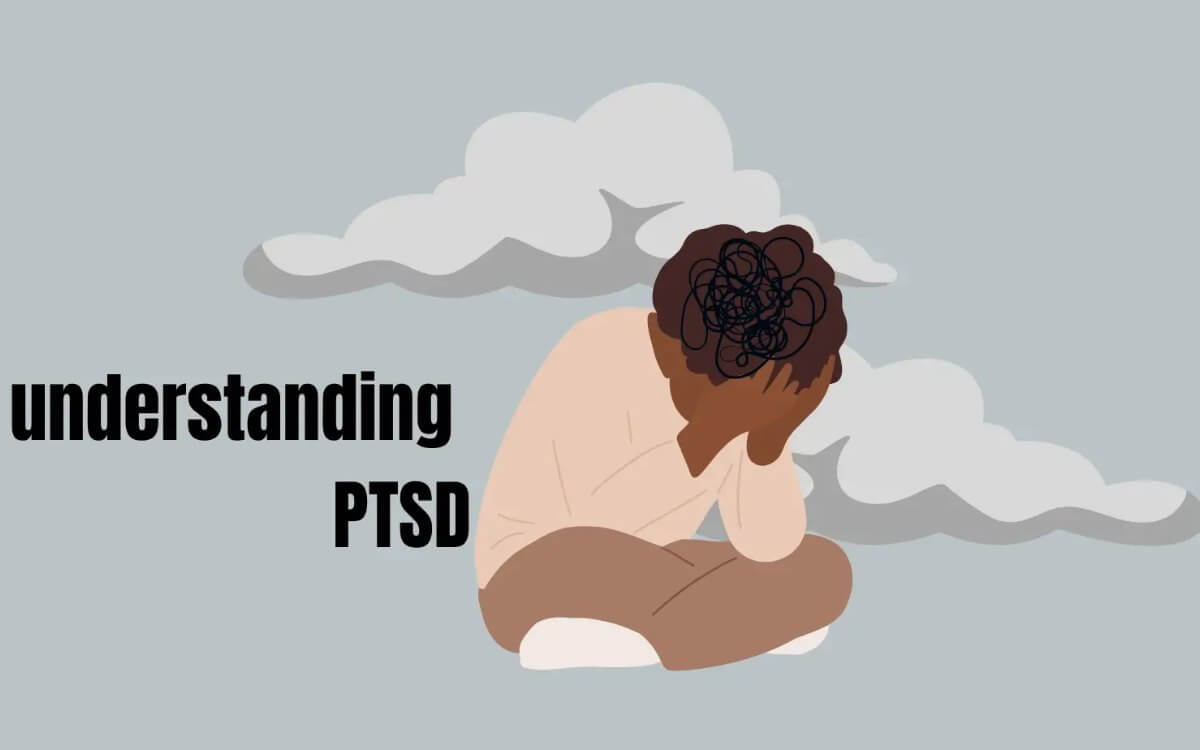
What Is PTSD?
Post-traumatic stress disorder (PTSD) is a mental health condition triggered by a traumatic event such as combat, sexual assault, or a natural disaster. It is classified under anxiety disorders and can significantly affect quality of life. PTSD may lead to flashbacks, emotional numbness, irritability, and avoidance behaviors.
It’s vital to recognize that PTSD is not a universal reaction. It is a subjective experience of a highly atypical situation. There may not be a clear reason why one person developed PTSD, and another did not, in a similar situation.
Symptoms and Stressors
People living with PTSD often struggle with intrusive memories, mood swings, hyperarousal, and negative thoughts. Stressors can range from witnessing violence to personal loss or repeated exposure to trauma. If these symptoms persist and interfere with functioning, professional help is essential.
Getting Diagnosed
Diagnosis of PTSD is made using the criteria in the Diagnostic and Statistical Manual of Mental Disorders (DSM-5), published by the American Psychiatric Association. A mental health professional will assess symptoms, stressors, and trauma history to develop an effective treatment plan.
PTSD Treatment Options
There are several evidence-based treatment options for PTSD that address both the psychological and biological aspects of the disorder.
Psychotherapy
Talk therapy, especially trauma-informed psychotherapy, is a core component of PTSD treatment. It helps individuals process their experiences and develop healthy coping strategies.
Cognitive Behavioral Therapy (CBT) and Variants
CBT is one of the most effective treatments for PTSD. At CBT Baltimore, we offer Cognitive Processing Therapy (CPT) and Prolonged Exposure Therapy (PE), both backed by research and clinical trials. We also offer cognitive behavioral therapy in line with international treatment standards.
Medication and Psychiatry
Selective serotonin reuptake inhibitors (SSRIs) such as sertraline, paroxetine, and venlafaxine are commonly prescribed to treat symptoms of PTSD. Another option is prazosin, used particularly to reduce trauma-related nightmares. Medications are typically managed by psychiatry specialists and may be part of a larger treatment plan developed at a mental health care or medical center.

Supporting Loved Ones and Service Members
Family members and loved ones often experience emotional strain when supporting someone with PTSD. Compassionate communication and education are key. For service members, responders, and veterans, resources like the National Center for PTSD and the U.S. Department of Veterans Affairs provide specialized support and access to mental health care.
Digital Tools and Clinical Trials
Emerging PTSD treatment options include mobile apps, virtual interventions, and participation in clinical trials. While these are not replacements for therapy, they can complement formal treatment. Always consult a clinician before using digital tools for mental health concerns.
Finding the Right Support in Baltimore
At CBT Baltimore, our clinicians offer evidence-based, trauma-informed care tailored to your unique needs. Whether you are dealing with chronic symptoms or a recent traumatic experience, we can help you find the most effective treatment. From psychotherapy and EMDR to medication and CBT, our goal is to help you heal and regain control.
Start Your Recovery Journey Today
If you or a loved one is experiencing PTSD symptoms, CBT Baltimore is here to help. We create customized, compassionate treatment plans that align with your goals.
Request a session to learn more and schedule an appointment.